

BRING BACK PLAY
WHERE KIDS RUN THE SHOW
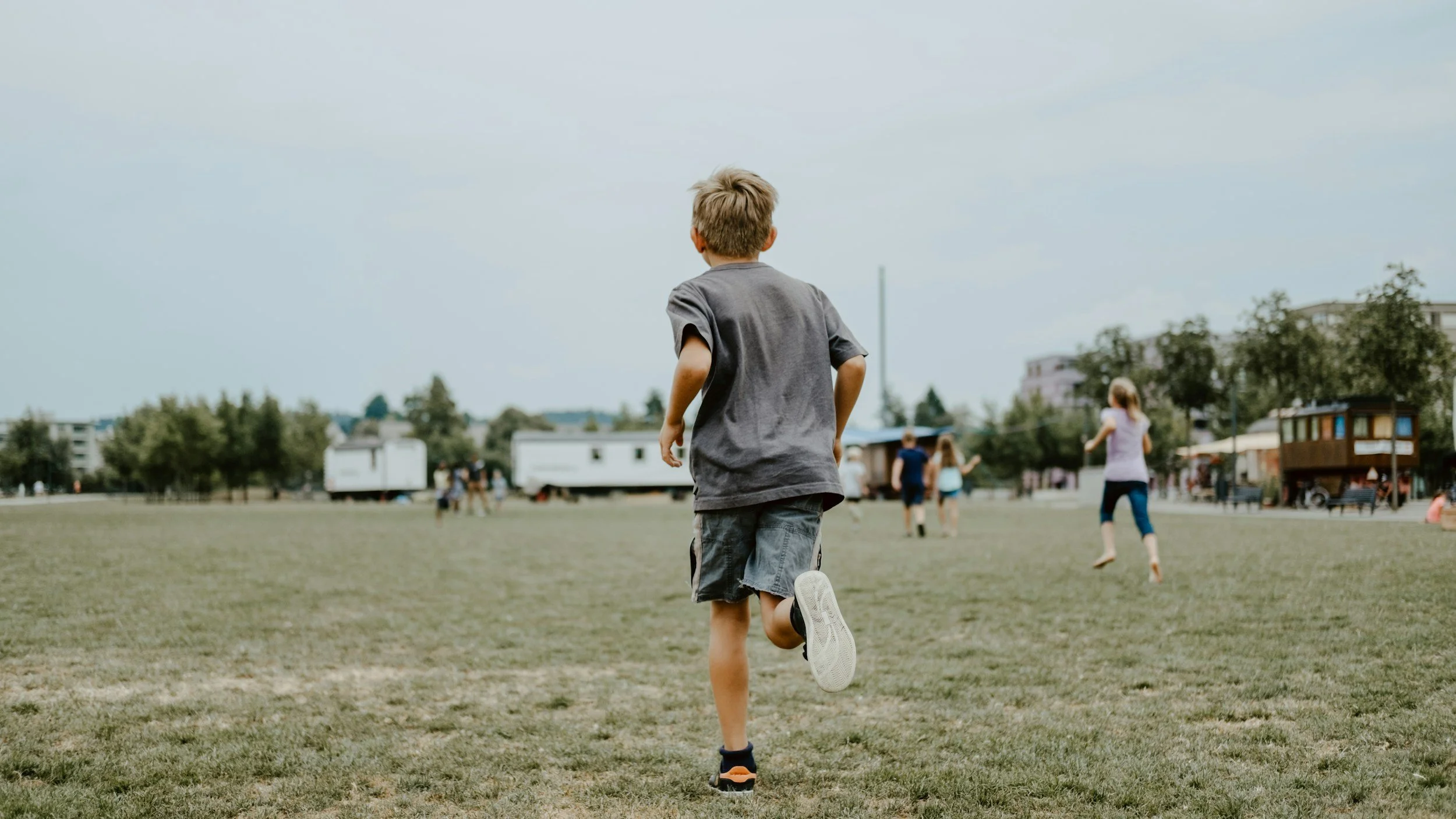
We’re bringing back real, unstructured play in Marin. No coaches, no refs. Just fun.
Childhood used to be simple.
You’d grab a ball, head to the park, find some friends, and come home when the streetlights turn on.
Today, that simple, unstructured play has disappeared — replaced by schedules, screens, and sidelines filled with adults.
And without this free play, is a missed opportunity to learn autonomy, problem solving, empathy and cooperation.
So we’re bringing free play back.
WHY FREE PLAY MATTERS
Free Play is an
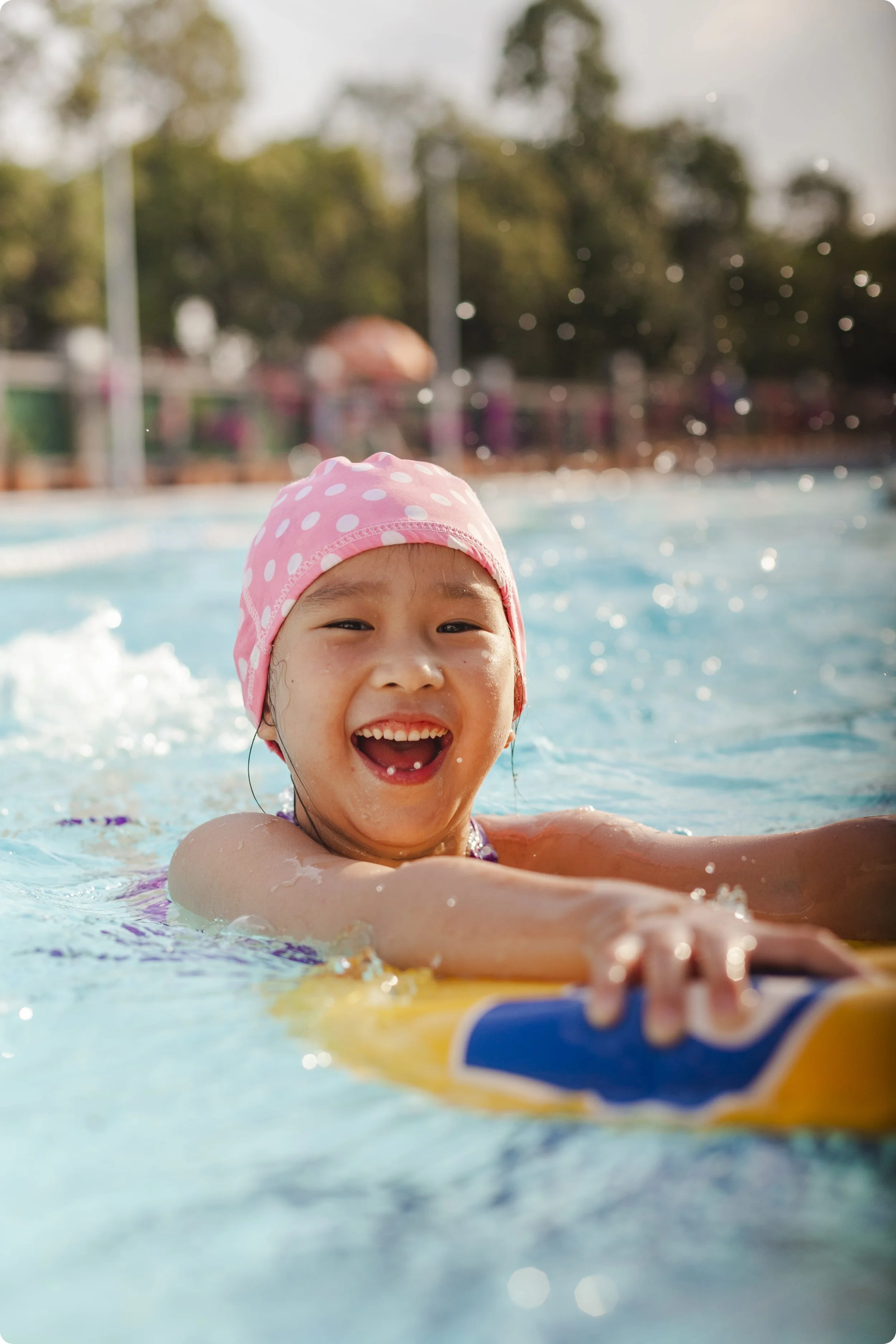
Anxiety Buster
Anxiety thrives where kids feel powerless. When every moment is scheduled and every rule is handed down by adults, kids lose their sense of control—and their confidence with it. Free play flips that script. It hands the reins back to them.
They choose the teams, make the rules, and solve the problems. In that small patch of grass, they learn what it feels like to shape their own world—and that’s the antidote to anxiety: control, competence, and confidence born from play.
Youth Sports Have
Gone Too Far
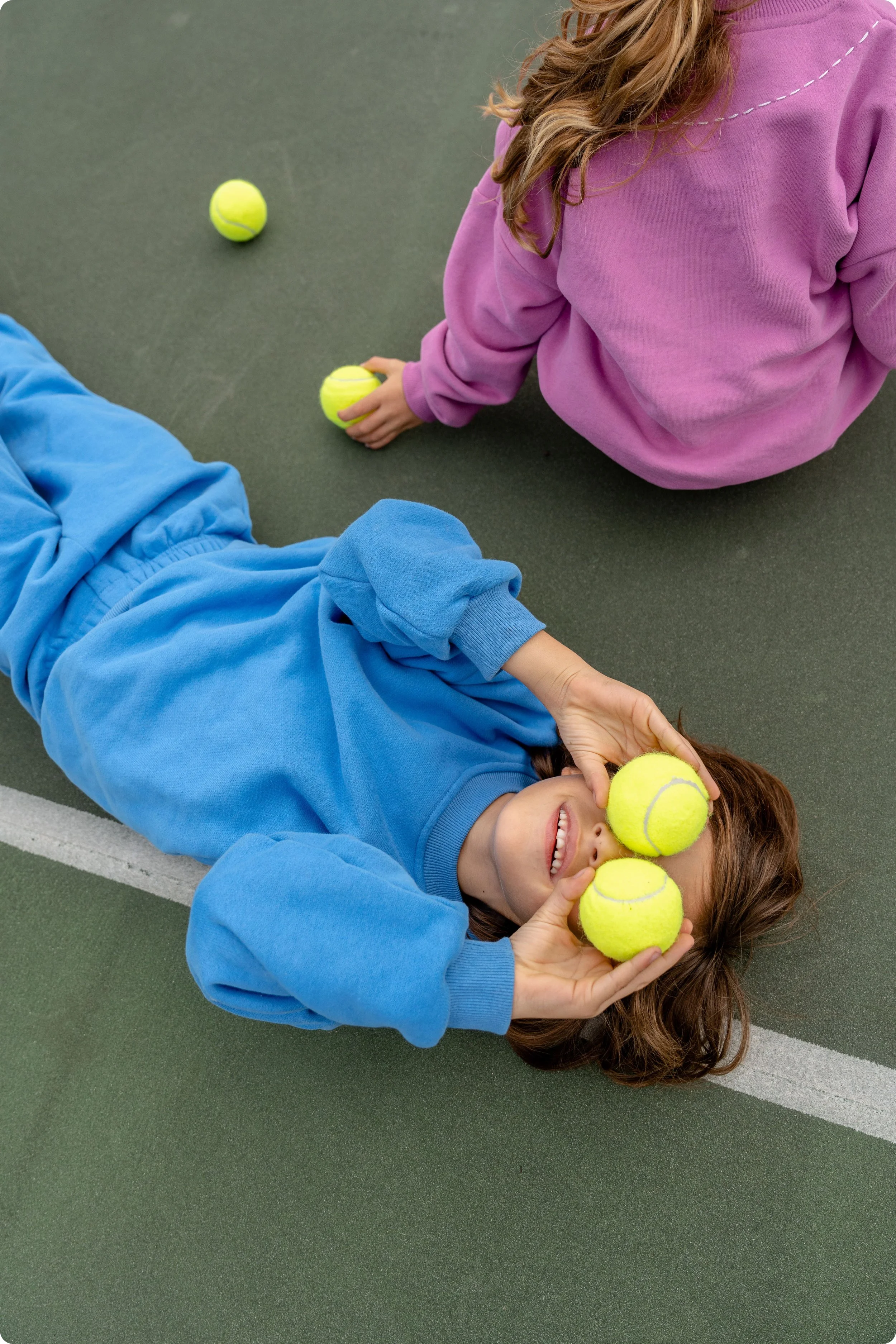
Kids are dropping out of sports at an alarming rate - 70% drop out by age 13, leading to sedentary and unhealthy life habits. Research shows this is due to too much pressure and not enough fun.
With free play we’re not chasing trophies — we’re chasing laughter, teamwork, and the pure love of the game.
Adult organized sports are not the only option anymore.
Real World Social
and Emotional Skills
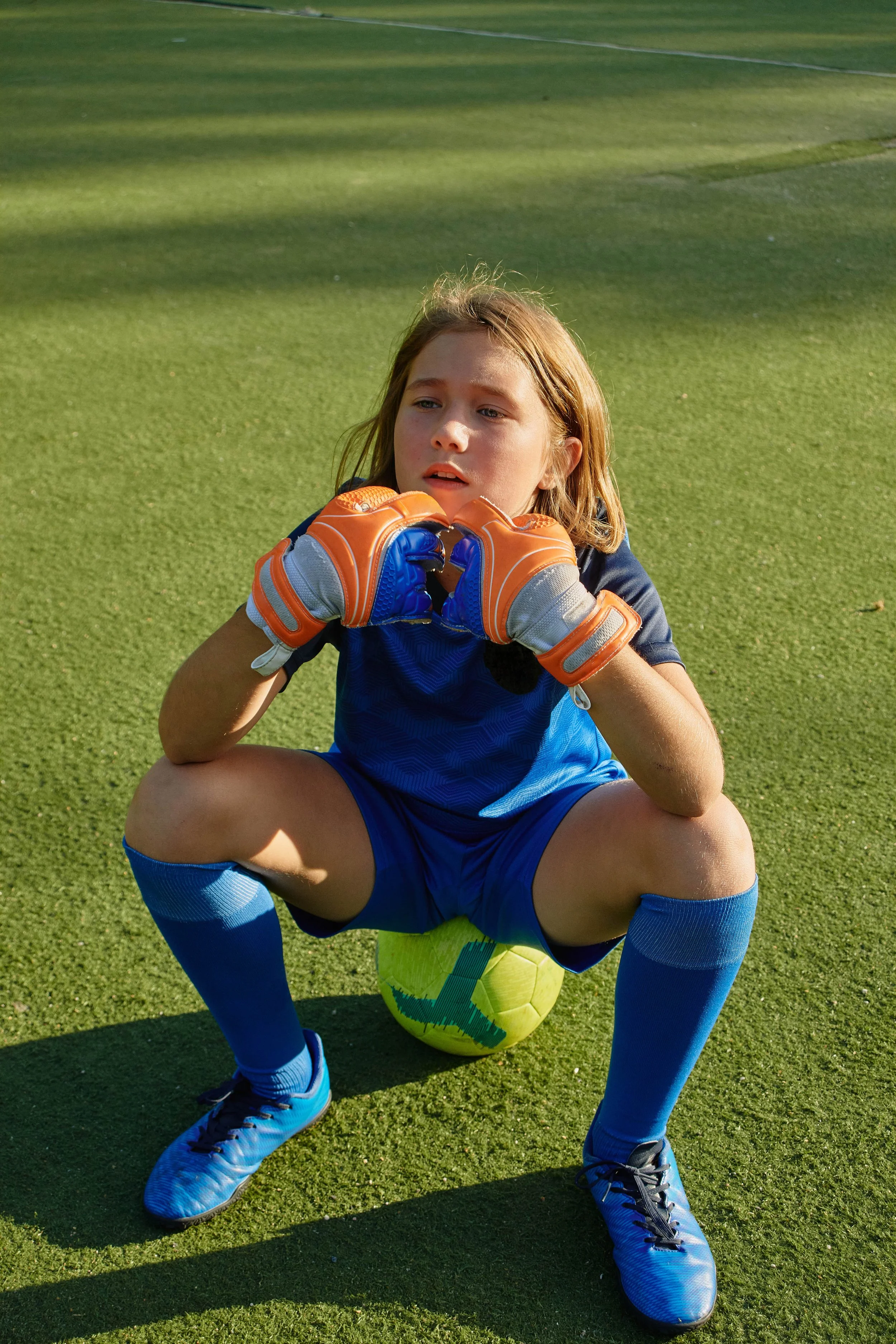
When kids self-organize, make decisions, navigate conflict, and take on leadership roles they grow up. They learn empathy, perspective taking, cooperation, compromise, negotiation, adaptability, self-efficacy.
Play is the best Social and Emotional Learning curriculum out there.
HOW IT WORKS
1
We Set the Stage
We do the scheduling, reserve the field/gym, bring the supplies and make sure everything is safe.
Learn more about the
Bring Back Play team here
2
Adults Step Back
Parents drop their kids off and leave. Each site has one supervisor trained to act like a “lifeguard” for safe oversight with minimal intervention.
3
Kids Take Over
Once play begins, the supervising adult steps back. Kids choose teams, make up rules and solve disagreements - all on their own.
WHAT THE RESEARCH SAYS ABOUT FREE PLAY
“Playing with other children, away from adults, is how children learn to make their own decisions, control their emotions and impulses, see from others’ perspectives, negotiate differences with others, and make friends. In short, play is how children learn to take control of their lives.”
— Peter O. Gray, Psychologist and Professor at Boston College and Author of Free to Learn
“
“Play is the foundation of learning, creativity, self-expression, and constructive problem-solving. It’s how children wrestle with life to make it meaningful.”
— Susan Linn, Harvard University Psychologist and author of Consuming Kids
“
“Compared to organized sport, unstructured physical activity and land-use recreation were associated with significantly higher levels of mental health and emotional control.”
— Stagnone N, Alexander KN, Adams KV, Dorsch T. from “Nature's Medicine? The Associations of Organized Youth Sport, Unstructured Physical Activity, and Land-Use Recreation with Children's Mental Health, Emotional Control, and Social Well-Being.”